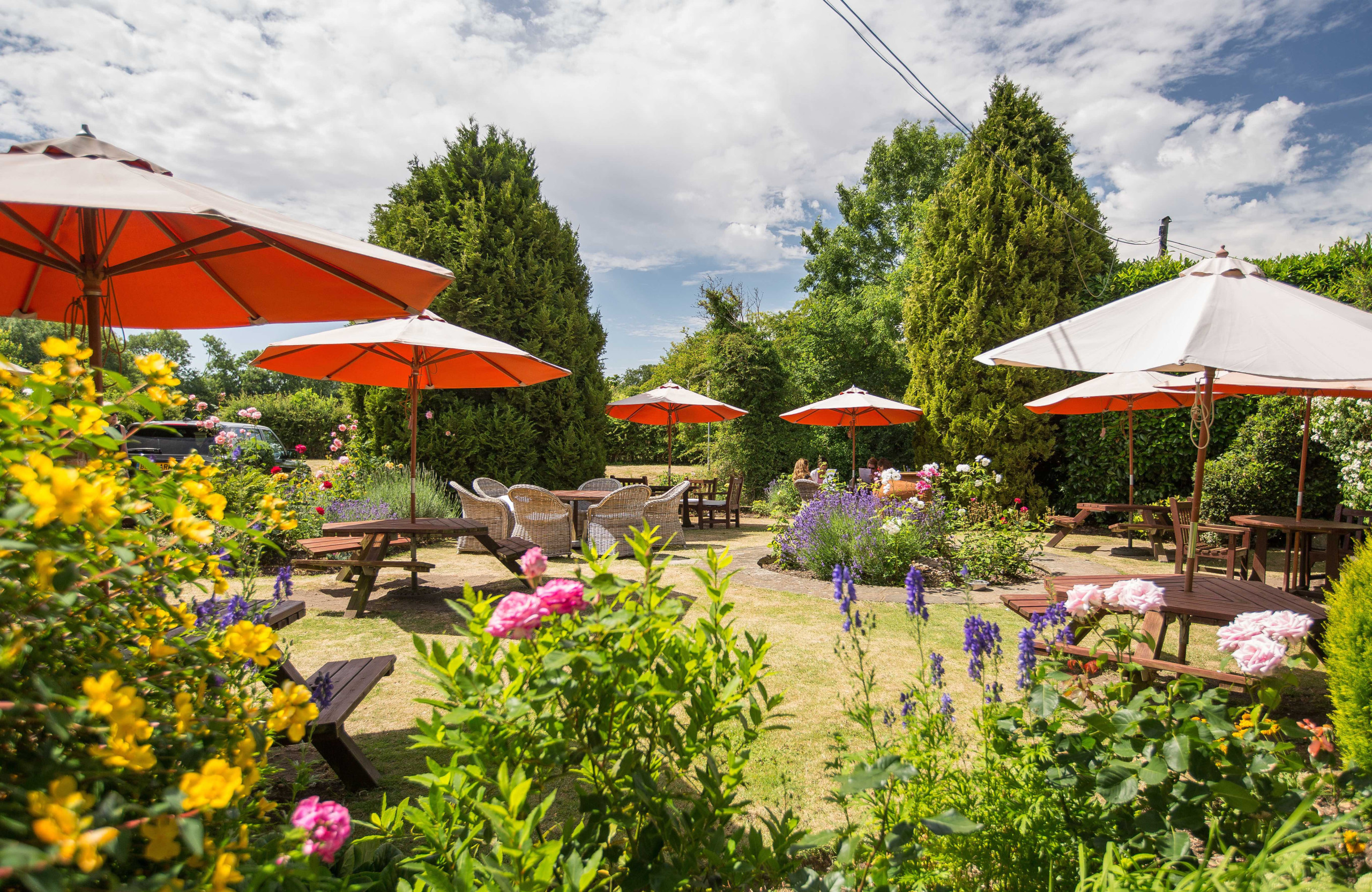
Make your beer garden nature friendly
As spring turns to summer, we look at whether nature friendly outdoor space can attract customers
“One of the most memorable pub gardens I’ve every visited was on a Scottish Island opposite a bay filled with seals,” says author Andy Hamilton (pictured right).
“The reason we visited was to see the seals so it was more wildlife that happens to have a pub nearby. Yet people are naturally drawn to wild spaces, with good reason too – they are simply good for you.”
Andy knows a thing or two about beer and pubs, being the author of The Perfect Pint, but more recently he’s returned to looking at how a more natural lifestyle can benefit people and that includes getting outdoors. He’s the perfect starting point for considering whether a wilder beer garden can draw more customers.
“When researching New Wild Order I found not only is blood pressure reduced in greenery, but we feel happier and, according to one study, simply watching a natural scene can reduce pain!
People prefer to sit near feeding birds and wild flowers
In Cornwall a collaboration between the University of Exeter and St Austell Brewery with the support of the Cornwall Wildlife Trust, challenged pubs to make their outside spaces havens for wildlife as part of a ‘Pint and Hedgehog’ scheme!
The winning pub put in compost heaps, let the grass grow long in places, created herb gardens, planted fruit trees and a wildflower meadow and put in a pond. But the St Kew Inn did have quite a lot of outside space to work with.
One of the things the project drew attention to was that people prefer to sit where there are birds feeding and next to wild flowers, rather than in a gravelled or paved area – but what if that is the only sort of outdoor space you have?
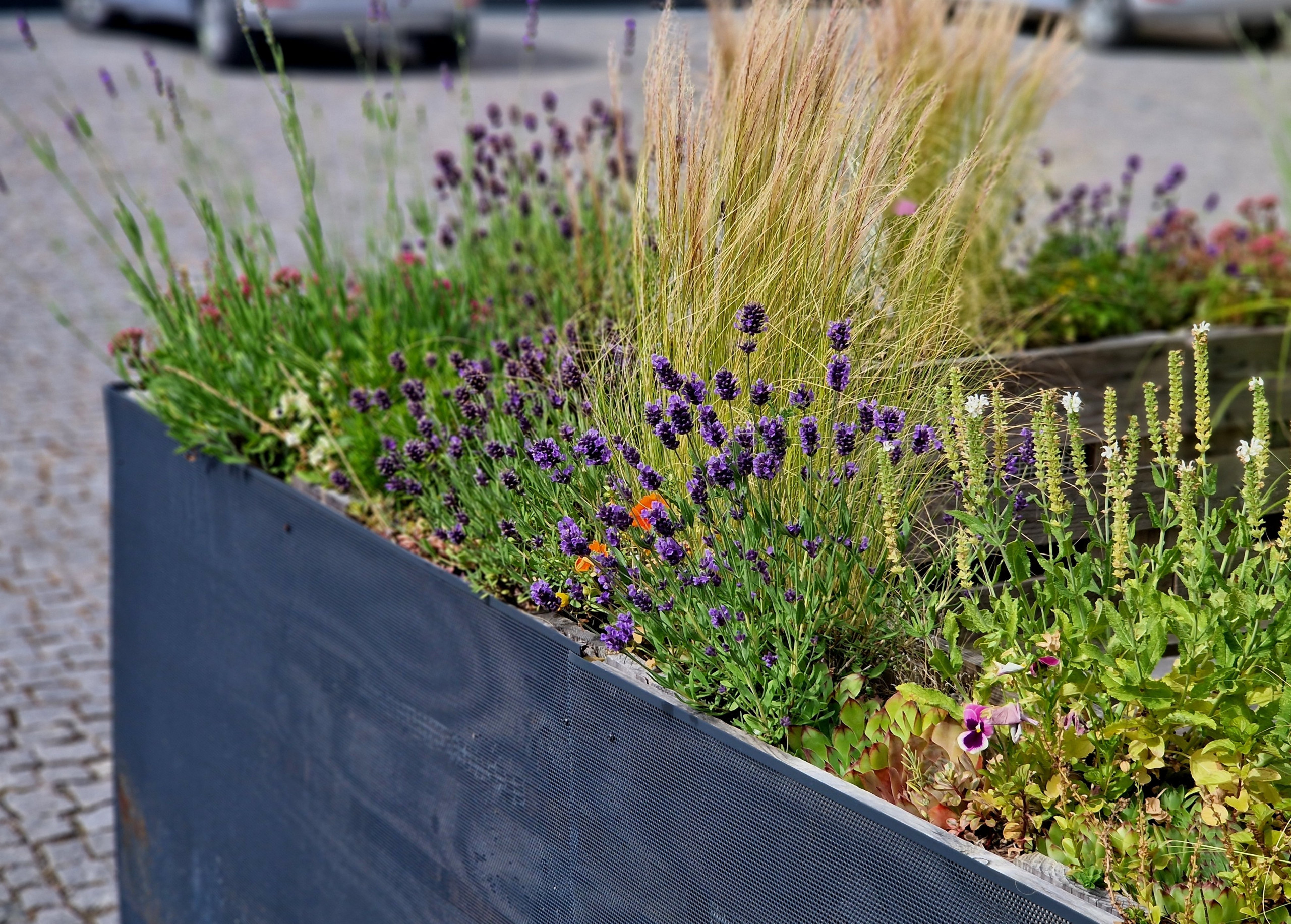
One option, which can work for small patios and terraces and in larger beer gardens too, is to plant herbs. These have the benefit being good for wildlife, pleasant smelling and pretty – as well as the potential to harvest a few sprigs to use in your kitchen or even as a garnish for drinks (obviously bearing food hygiene rules in mind!).
Another reason for choosing herbs for your beer garden is that many types grow well in containers. This makes it fairly easy to try without great expense or the need for gardening skills. In summer you should be able to find good sized plants, that will flower the same year, in garden centres or from online retailers. If you’re not reading this in summer or are planning ahead you might also consider growing herbs from seed – which could also provide a point of interest and a way to engage with customers.
“When I think of the pub gardens I always return to, they all have wild spots and are all very green. I imagine customers might not know the science behind why they return somewhere, but none of that matters when you have a great afternoon at the pub.”
Andy is not alone in his views – and as he says there is plenty of evidence for the positive effect of a bit of greenery, but how easy is it to achieve this in a pub garden?


We asked horticultural and outdoor learning teacher Linzi Gladwell whether lavender and rosemary would be good options for pubs and hospitality venues to grow – and more importantly will they need a lot of maintenance?
“Those are easy to maintain I would say,’ she told us.
“You could also try mint, marjoram and oregano – as they can be used in the kitchen. Also sage or thyme. Those are all good.”
Linzi favours herbs for ease over attempting a wildflower meadow, as the latter can ‘be trickier than you might think’!
Lavender is also a great option if you want to do your bit for bees and other pollinators. Bumble bees and domesticated honey bees both come readily to lavender and – just as with the positive power of greenery – watching (and listening) to bees around the purple flowering spikes is enormously relaxing.
Rosemary bushes will also help the bees – especially those that are on the wing earlier in the season as it flowers in March and even as early as February when queen bumblebees are fresh from hibernation and need to feed to get fit and ready for the coming spring.
Herbs can also create a sensory garden experience with their aroma and through touch – but it’s worth telling your customers to mind the bees if they’re fondling the foliage!
Grouping pots of herbs close together in a spot that gets a decent amount of sunshine is apparently the best method, but even one large lavender on your patio could help attract punters as well as pollinators.
You can find more advice on growing herbs on the RHS website.
More Articles
All Articles